
Leaning Into a New Direction
An Ear to Holy Ground

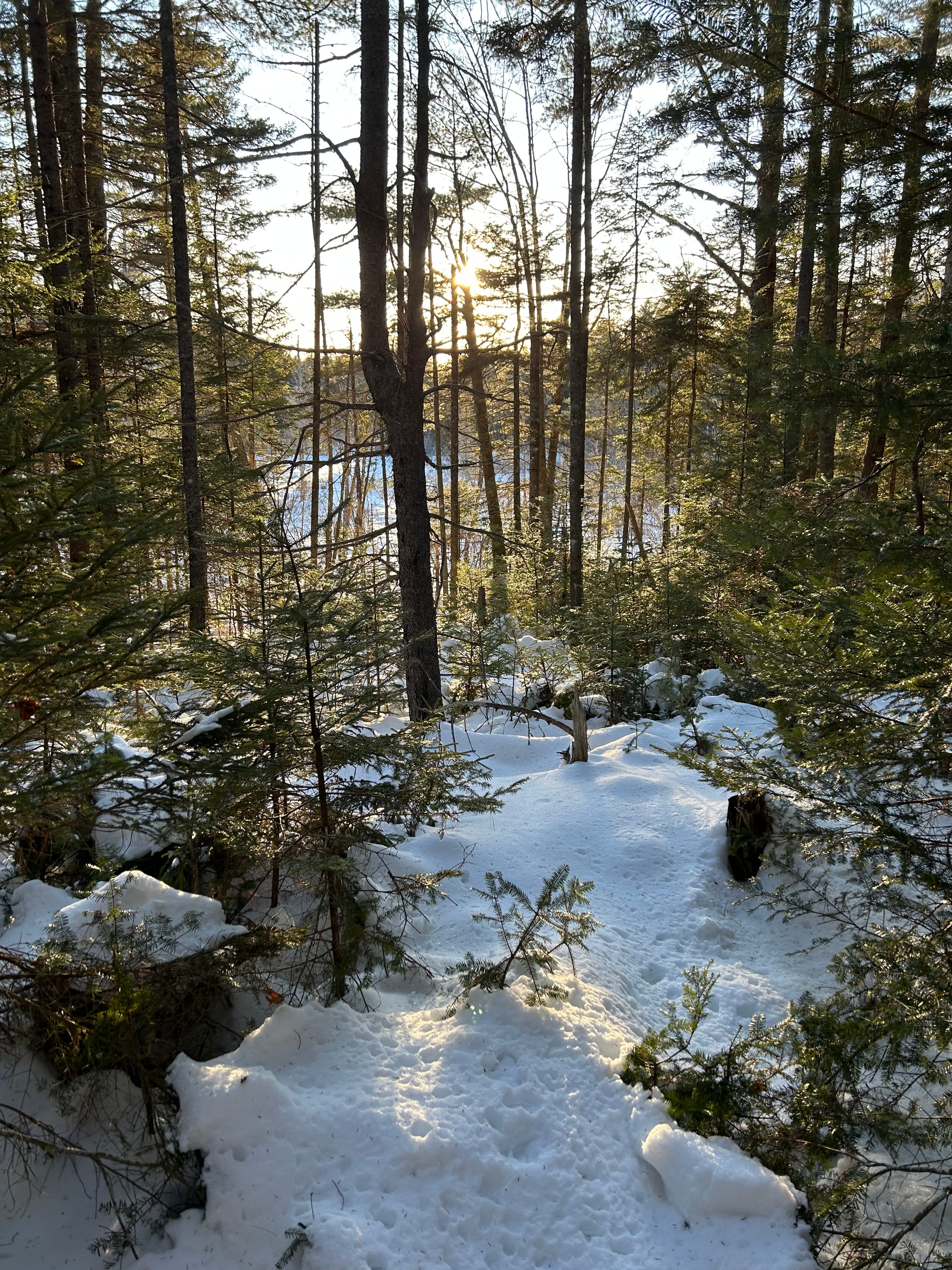
If you’ve been here a while, you may have noticed the quiet. Over the past weeks I’ve preached, walked, written, and listened—but not posted. That silence wasn’t strategic. It was the result of trying to listen honestly in a season when words came more slowly and attention felt scattered. Rather than push through with something thin, I stepped back. This post marks a return—not with answers, but with a clearer sense of what I want this space to be.

In the coming weeks, this blog will take on a new name: Ear to the Holy Ground. It isn’t so much a new project as a clearer naming of a long-held practice—learning how to listen at the intersection of scripture, creation, culture, and community.
Some people advise you to write what you know. That advice has never worked for me. I write to know what I think—to discover what I’m hearing, what I’m resisting, and what I might need to do next.
Writing has long been a way of listening my way forward. For more than twenty years I’ve practiced daily, unpolished writing as a way of sorting through the inner dialogue of faith, doubt, hope, and attention. The result is a heap of journals that resemble the remains of a mining operation—leftover pulp from the work of digging for what matters. From that heap, a new direction has been steadily emerging.
Three commitments shape this space.
First, listening is a transformative practice. Both hearing and being heard change us. Writing slows me down enough to notice what I’m actually paying attention to. Preaching, at its best, is not the delivery of conclusions but a sacred conversation—one that begins in listening and, if it’s faithful, creates more of it.
Second, creation has become my important teacher. Since I moved to Maine, land, water, weather, and season have worked their way into my theology whether I intended them to or not. Scripture itself is saturated with creation’s voice, yet we often learn to read the text while ignoring the ground beneath it. I hope to linger where those voices meet—sometimes in harmony, sometimes in tension.
Third, alongside sermons, I’ll also be writing what I think of as listening notes. These are not essays or arguments, but reflections on what I’m paying attention to—where scripture, creation, and the world we’re living in are pressing back on easy answers. Sometimes that listening begins in the lectionary. Sometimes it begins on a walk, at the shoreline, or in the news. The aim isn’t to cover everything, but to practice noticing what is asking for attention right now.
This shift comes at a painful and challenging moment in our culture. The level of polarization, denial, and domination have overwhelmed me. My lifelong skillset has been in encouraging deeper dialog, conflict transformation, finding common ground. At times, my best skills feel irrelevant now. I’ve wrestled with how to speak truthfully when many do not want to hear it—and how to keep listening without surrendering conscience. So, this space won’t promise easy harmony. It will try instead to practice holy attention: staying close to what is real, costly, and alive.
I will continue to share my weekly sermons here. Much of my recent listening has been shaped by a sermon series exploring a simple but fundamental question: why do we worship on Sunday morning? The series traces worship not as habit or obligation, but as a formative journey—from gathering and listening, to prayer, confession, and table. I’ve already shared the first two sermons and have now written six in total. As the remaining sermons are posted, they’ll sit alongside these listening notes as another way of tracing how attention, practice, and community shape one another over time.
Over the next week, I’ll be posting the last few sermons as a way of re-opening the conversation.
This space is still becoming what it needs to be. But I hope my commitments are clear: to listen carefully, to write honestly, and to stay close to the ground where faith, creation, and common life meet. I’m glad you’re here.
It's so good to read how the silence and the stillness are at work in you.
And I am glad you are here. The authenticity and integrity of your written voice today reaffirms my desire to dig deeper: not to discover THE answer but to be aware of what is calling for my attention. Writing to know what I think has kept me journaling off and on through life.